

In the ever-evolving landscape of industrial automation, electric vehicle development, and advanced motor manufacturing, the need for reliable testing and control systems has never been more critical. At the intersection of innovation and precision lie hysteresis-based devices and motor test equipment—technologies that have redefined how industries validate performance, ensure safety, and optimize efficiency.
THE Stepper motor torque stability : A FOUNDATION OF CONTROL
Hysteresis brakes, dynamometers, and clutches operate on a principle as elegant as it is effective: the conversion of kinetic energy into heat through magnetic hysteresis loss. Unlike friction-based systems that wear down over time, hysteresis devices rely on non-contact torque generation, making them exceptionally durable and maintenance-free. This technology’s inherent stability allows for smooth, ripple-free torque control—a game-changer for applications demanding ultra-precise load simulation.
Hysteresis Brakes: The Silent Workhorse
Imagine testing a high-speed servo motor for a robotics assembly line. Traditional mechanical brakes introduce vibration and wear, compromising test accuracy. Enter the hysteresis brake—a solution offering instant torque adjustment without physical contact. Its ability to maintain consistent drag torque across varying speeds makes it indispensable for endurance testing, wind turbine simulation, and even aerospace component validation.
Hysteresis Dynamometers: Beyond Power Measurement
Modern hysteresis dynamometers have transcended their role as mere power measurement tools. With dynamic response times measured in milliseconds, these systems now enable real-time simulation of complex load profiles. Automotive engineers use them to replicate actual road conditions for EV drivetrains, while appliance manufacturers simulate decade-long compressor cycles in mere weeks. The true brilliance lies in their regenerative capabilities—capturing dissipated energy for reuse, aligning with global sustainability initiatives.
The Adaptive Nature of Hysteresis Clutches
In precision manufacturing environments where slip control is paramount, hysteresis clutches shine. Their ability to maintain precise torque limits without mechanical linkage prevents catastrophic failures in conveyor systems or packaging machinery. Pharmaceutical companies particularly value their contamination-free operation in sterile environments, where traditional lubricated clutches pose contamination risks.
MOTOR TEST EQUIPMENT: THE UNSUNG HERO OF INNOVATION
While hysteresis devices form the control backbone, modern motor test systems represent the analytical brain. Today’s solutions integrate:
- Multi-axis torque and efficiency mapping
- NVH (Noise, Vibration, Harshness) analysis
- Thermal profiling with infrared synchronization
- Automated end-of-line production testing
These systems don’t just test motors—they predict their lifespan, optimize their design, and validate their compliance with increasingly stringent global standards.
Convergence of Technologies: Integrated Test Ecosystems
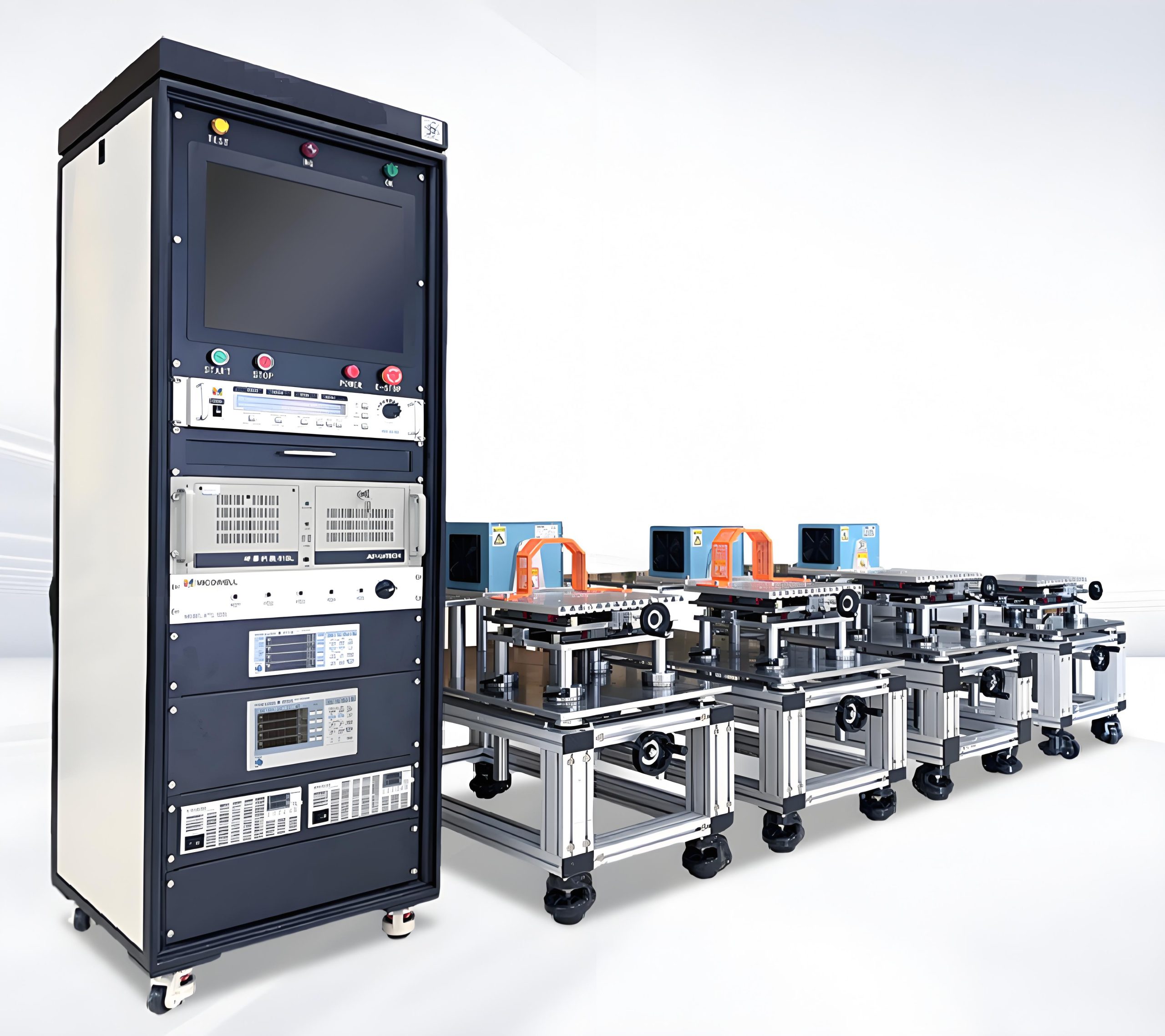
The true revolution emerges when hysteresis systems integrate with advanced motor test platforms. Consider No-load friction analysis testing next-gen EV motors:
1. Hysteresis dynamometers simulate real-world driving loads
2. Clutch systems engage different transmission modes
3. Braking systems test regenerative energy recovery
4. Multi-channel data acquisition captures 1,000+ parameters
Such ecosystems enable 24/7 validation of motors under conditions ranging from Arctic cold starts to desert thermal stress—all within a controlled lab environment.
Sustainability Through Smart Testing
Modern hysteresis-based test systems contribute directly to green manufacturing. Regenerative power loops can feed up to 80% of absorbed energy back into facility grids. Combined with magtrol -driven adaptive testing protocols that minimize unnecessary cycles, these systems reduce both energy consumption and carbon footprint—a critical advantage in environmentally conscious markets.
Future Horizons: Where Innovation Meets Application
As industries push toward higher efficiency standards, hysteresis and testing technologies are adapting:
- Microsecond-level torque response for hyperloop propulsion testing
- Compact hysteresis modules for wearable robotics development
- IoT-enabled systems providing real-time global test data analytics
- Hybrid solutions combining hysteresis and eddy current principles
These advancements promise to accelerate development cycles while ensuring that every motor, from miniature drone rotors to megawatt industrial drives, meets exact performance thresholds.
Conclusion: The Invisible Precision Revolution
From the electric vehicles silently gliding off production lines to the wind turbines harnessing renewable energy, hysteresis-based systems and advanced motor test equipment form an invisible yet vital backbone of modern industry. They represent not just tools for validation, but catalysts for innovation—ensuring that every revolution of every motor moves us closer to technological excellence.
As industries continue to demand higher efficiencies, smarter controls, and sustainable practices, the synergy between hysteresis technology and cutting-edge test systems will undoubtedly remain at the forefront of engineering breakthroughs. For Motor load and speed tests to embrace these solutions, the future of precision is already here.